“Some places stay with you long after you’ve left. But Varanasi… Varanasi feels like it never lets you go.”
Cities, there are those you visit, and then there is Varanasi where not only are you welcomed but engulfed by its narratives, its rites and, its river.
I came here with certain expectations – views of the ghats, the temples, and the colourful hustle-and-bustle, but little did I know that a peaceful, golden daybreak on the river would touch me deeply and in ways I cannot even describe.
A sunrise boat tour was something I wanted to try out, but until I tried it myself, I couldn’t realize that watching some reel videos, reading the tourist pamphlets and saving the amazing pictures was nothing compared to sitting in my own boat, gliding across the river, and being engulfed by the energy emanating from the ancient Kashi.
If you’re planning a trip and wondering whether the early wake-up call is worth it. A thousand times, it is.
This blog is meant for those seeking something beyond the list of sites to see in Varanasi. No matter if you are a first-time visitor or a fifth-timer, I will take you through what to anticipate, from where to begin your adventure, how to prepare yourself, what to see, but above all, what it feels like to witness a sunrise that affects far more than…
The sky.
Why a Sunrise Boat Ride in Varanasi Feels So Different
It’s hard to explain it until you’re there.
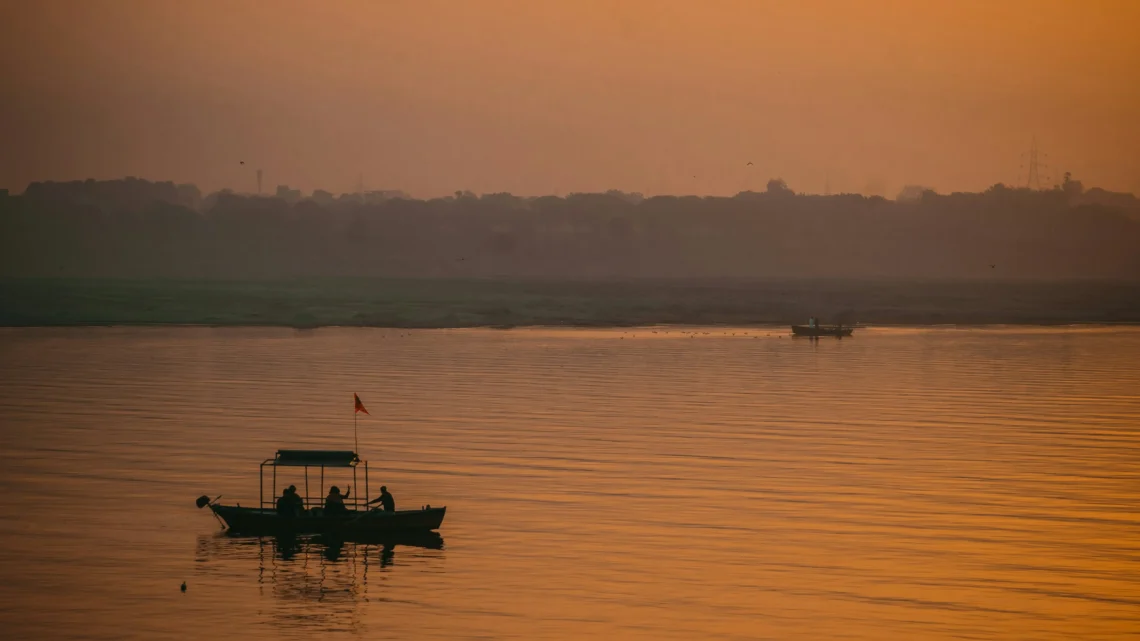
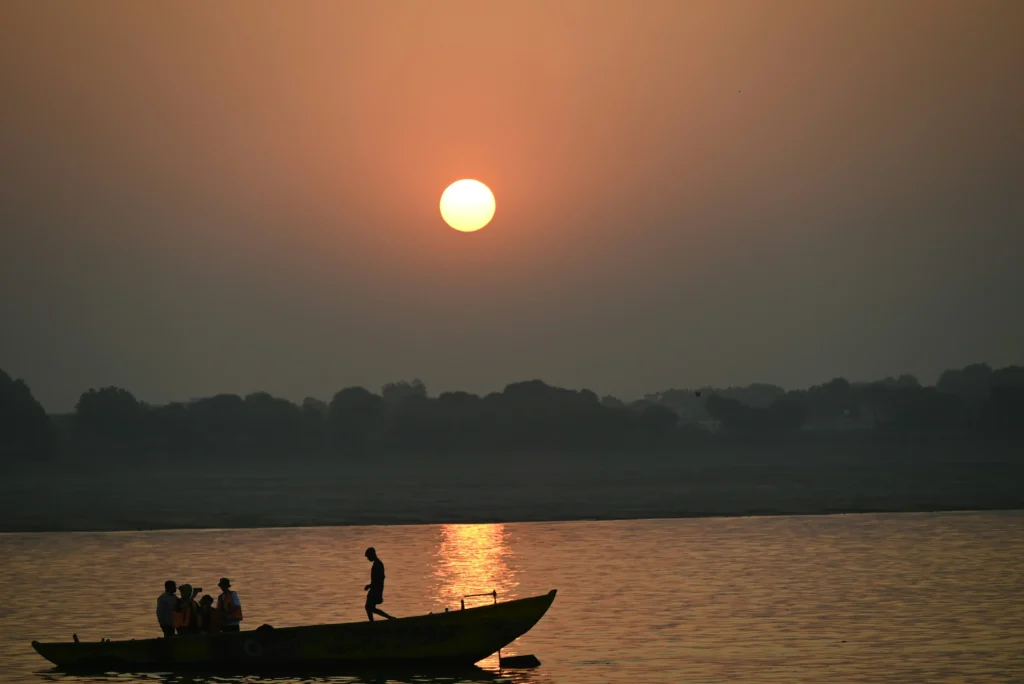
You get into a small wooden boat – only a rower, a river, you and a gentle breeze coming from the Ganges. The sky is still blue; the city looks like it is waiting for something to happen. Suddenly, the first ray of sun becomes visible, and everything starts moving.
Monks start singing their hymns. The bells can be heard somewhere far. People are gathering on the bank of the river – some people are praying, others just meditating. You aren’t watching any show here. This is the ordinary everyday life of the city.
One thing should be noted is that there are a few tourist attractions in the world that could provide you with such authentic feelings. This ritual has been held every day for thousands of years.
The boat moves along the ghats, some serene, some bustling with prayer or laughter, and for once, you aren’t in a hurry. You’re just… there.
And perhaps that’s why this experience is so unique: it’s not only about witnessing something beautiful but about experiencing something eternal.
Where to Begin Your Sunrise Boat Ride in Varanasi: Assi Ghat vs Dashashwamedh Ghat
This was the same dilemma as yours: whether to begin at Assi Ghat or Dashashwamedh? Each one is equally famous and equally attractive in its own way, but it creates two very distinct moods for you right from the beginning.
My Morning at Assi Ghat
Assi Ghat became the first destination for my ride since I had read that it is more tranquil. I reached the place at 5:15 AM and instantly knew that I had entered a whole new world. The place had very few tourists. People from the locality were sitting silently, drinking tea, meditating, or staring blankly at the flowing river.
There was a small crowd which had assembled to perform Subah-e-Banaras, a lovely ritual of playing classical music, chanting mantras, and praying. This place seemed to be calm and tranquil, as if the rhythm of the city was slower here. As my boat moved away from the place, I could see that the river was motionless and calm, with the early morning sunlight falling on it.
This place can be ideal for travellers who prefer to spend time in solitude, reflect upon their lives, and appreciate the quiet moments.
Dashashwamedh Ghat: Where Varanasi Pulses
One other morning, I decided to visit Dashashwamedh Ghat. This was an entirely different experience altogether.
Right from early morning, there were people everywhere in the ghat area. Priests had started setting themselves up for the day. One could see boats lined up similarly to peak-hour traffic. Pilgrims were taking their baths, sadhus conducting rituals, and vendors offering incense on small shrines found all around the ghats’ stairs.
There was something powerful going on, something lively and vibrant. The views were spectacular too: the sun in the distance behind temple outlines, thousands of diyas floating down the river, and the chants reverberating around the waters.
For anyone wanting to soak in Varanasi’s chaotic spiritualism, there is no better place than Dashashwamedh Ghat. On the Sunrise Boat Ride in Varanasi, one sees lots of these lively ghats, as well as cremation sites.
So, which should you choose for the Sunrise Boat Ride in Varanasi?
- Assi Ghat: for peace, early rituals, fewer crowds, and quiet reflection.
- Dashashwamedh Ghat: for intensity, dramatic visuals, and vibrant culture.
Honestly? If you have time, do both. I did.
One gives you calm. The other gives you colour. Together, they show you the two hearts of Varanasi.
What You’ll See during Sunrise Boat Ride in Varanasi
From the time that the boat moved away from the ghat, it seemed that the city started unfolding gradually without even trying, something which it must have been doing since forever.
First, there was silence everywhere; the water appeared to be motionless and reflected the dim orange rays that penetrated the heavens above. After a while, life started emerging gradually.
On a ghat, there was a lady dressed in a red sari who had immersed herself in the waters of the Ganges. She had her eyes shut tightly, pouring the water from a brass pot with practised movements. Just a few meters from there, some men were practicing yoga.
The boat went past Manikarnika Ghat, one of the most important places for cremation in the city. I must confess that it made an impact on me. The cremations were sending smoke into the air. People sat there silently, concentrating. Some cried, while others had already accepted. Everyone was watching, myself included. It was not frightening at all; it was just very humble. Never before had I witnessed such respect for death. No fears; only liberation.
Continuing our journey on the Sunrise Boat Ride in Varanasi, we saw another cremation place called Harishchandra Ghat and many others after that. Some of them were magnificent, while others were in bad condition, but they were alive nonetheless. Kids were playing with water. Dogs were lying around. One priest lit an oil lamp and held it up to the sun, saying prayers.
What struck me most was the tiny boat with only one old man aboard, who did not seem to have anything in his possession save a bunch of marigolds. Whatever he was praying for at the time does not matter because everything around us appeared to be hearing our thoughts – the river, the light and the temples.
Then followed the flock of thousands upon thousands of birds flying above the river right at the moment when the sun rose.
The impression that it left on me is indescribable. I cannot put into words why it made me feel so spiritual, so sacred, as if I was admitted somewhere I should not have seen.
Not even monuments, museums, or tours have managed to give me such an impression up until now.
The Emotional Experience: What It Truly Feels Like
Sunrise Boat Ride in Varanasi certainly wasn’t going to bring me to a standstill, at least not that easily.
As I entered the small rowing boat, there was only I, the boatman, and the river stretching in front of us, bathed in early morning sunlight. Everything happened slowly, silently. There was no engine noise and no hurry whatsoever – everything went at a gentle pace, dictated by every stroke of the boatman’s oar.
The city around us began to wake up. Some other boats went past on the river – the kind of motor boats with diesel engines. Although they were undoubtedly quicker, they just did not suit the mood of the place and time.
And that stillness… that’s what caught me off guard.
This wasn’t about looking at the city. This was about experiencing it, the way that one smells incense in the early hours of morning, the way that ghats glowing gold hold secrets beyond imagination, the way life and death exist together, without the slightest bit of fear.
It wasn’t something dramatic. Rather, it was something subtle, sacred. And for some reason, nothing else on my trip made me feel more alive.
When the boat landed back on the shore, I would never be the same again. Because, quite frankly, one doesn’t simply experience the Sunrise Boat Ride in Varanasi. One meets it.
Best Time to Go for a Sunrise Boat Ride in Varanasi
There’s just one thing that I would like to share with any person who plans on doing this: Timing is essential.
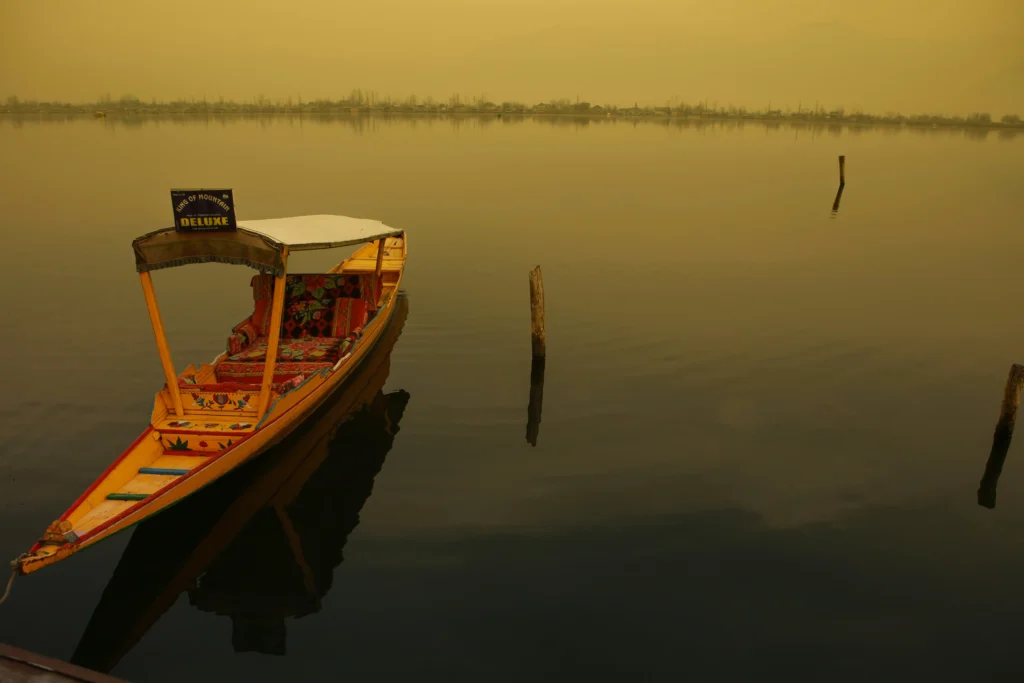
I arrived at the ghat by 5:15 am, where the darkness prevailed. And the silent period prior to the rising of the sun? It’s what makes everything work. As the city begins its waking process, you’ll be able to see it happening right in front of your eyes.
Here’s what I learnt:
- Be on the boat by 5:30 AM — 5:45 at the latest. The golden light starts soft and builds fast. If you show up late, you’ll miss that magical transition from darkness to day.
- Best months to go:
October to March — clear skies, cool mornings, and visibility that makes every photo (and memory) feel crisp.
April to June — gets hot quickly, even in the morning.
July to September — monsoon season can bring heavy clouds and unpredictable river levels.
I went in early December. The air had a slight chill, but it added to the feeling — a kind of sacred stillness before the noise of the day began.
One more thing:
For those going on a rowboat, leave even earlier. The motor boats are lined up quickly, and things start getting crowded as the sun rises nearer. Early birds get a quieter trip.
And believe me when I say that watching the sun rise above Kashi from right within the Ganges… It’s all worth staying up for.
Types of Boats, Prices & What to Choose
But before I came to Varanasi, I did not have a clue how many types of boats were available. I was under the impression that we simply had to board any of the boats; however, in reality, our boat would decide everything for us.
Here are some brief descriptions of the various boats available, their prices, and their overall feel, which I personally witnessed during my trip.
Rowboats (Traditional & Quiet)
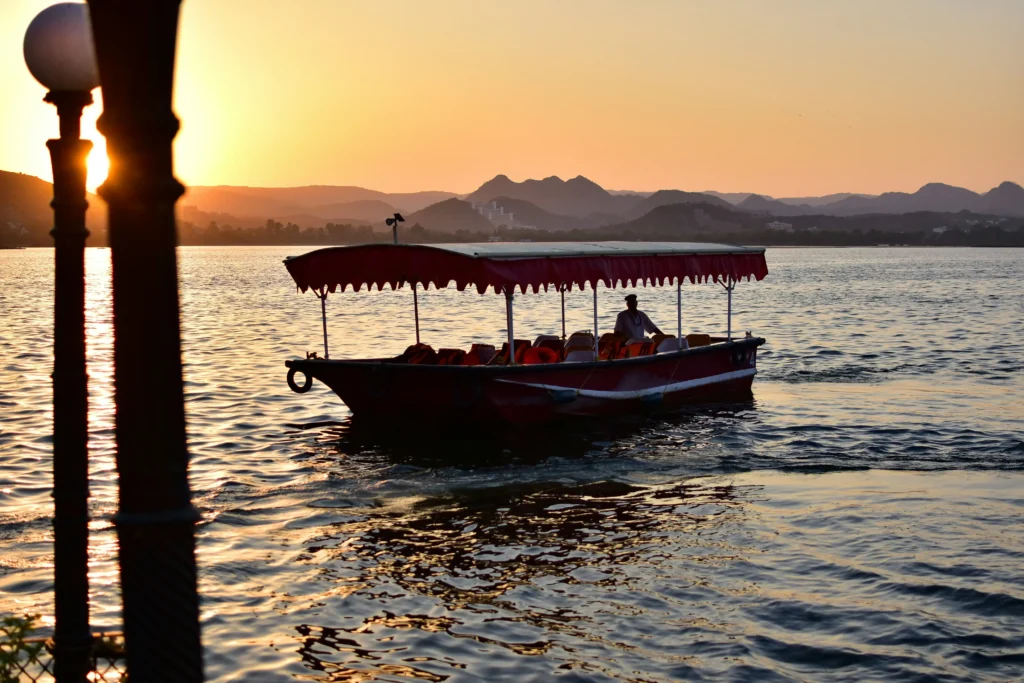
This is the classic Sunrise Boat Ride in Varanasi experience — a small wooden boat, rowed gently by a boatman, no engine, no noise.
- Best for: Sunrise lovers, solo travellers, couples, photographers
- Price: ₹500–₹1000 (private ride, depending on time and negotiation)
- Vibe: Peaceful, reflective, ideal for soaking in the atmosphere
This is what I chose, and honestly? It was perfect. The quiet made everything feel more sacred — the chants, the bells, the water. If you’re looking for stillness, go with a rowboat.
Motorboats (Fast & Noisy)
You’ll see a lot of these, especially as the morning goes on. Many run on diesel and carry small to large groups.
- Best for: Groups, families, travellers short on time
- Price: ₹150–₹300 per person (shared), ₹800–₹2000 (private)
- Vibe: Convenient but noisy — the engine hum takes away some magic
If you just want to see the ghats quickly or you’re travelling with a big group, this works. But for a sunrise ride, I found it a bit too loud.
Shared Boats (Large Traditional Boats)
These are bigger boats with benches that take 10–20 people — often organised by tour groups or local operators.
- Best for: Budget travellers, backpackers, short visits
- Price: ₹100–₹250 per person
- Vibe: Social and affordable, but less personal
You’ll still get the sunrise, but with chatter, less space, and less connection to the moment. Great if you’re just looking to tick it off your list.
What to Wear and Bring
One thing I loved about the boat ride in Varanasi? You don’t need to overthink it. But a little preparation makes a big difference — especially when you’re out on the river before sunrise.
Here’s what I wore and brought with me, and what I’d recommend after doing it myself:
What to Wear
- Layers are your friend:
Mornings on the river can be chilly, especially between October and February. I wore a light jacket over a T-shirt and was glad I did. - Dress modestly:
Varanasi is a deeply spiritual place. Keep it respectful — cover your shoulders and knees if possible. Flowy clothes work well and look great in photos, too. - Comfortable shoes (you’ll take them off anyway):
You’ll likely need to step into shallow water or climb in and out of the boat — nothing fancy needed. Sandals or slip-ons are easiest.
What to Bring
- Water bottle:
You’ll be out for an hour or more, and shops won’t be open that early.
Phone or camera:
But don’t overuse it. Get a few good shots, then put it down and just be there. - Power bank (optional):
Especially if you’re using your phone for photos and maps all day. - Cash:
Most boatmen don’t accept UPI or cards. Keep small change for tips or chai afterwards. - Shawl or scarf:
Light, useful for warmth, and respectful if you plan to visit a temple after the ride.
What Not to Bring
- Big backpacks – you won’t need much, and space on the boat is limited.
- Loud conversations – keep the mood quiet and reflective.
- Expectations – this isn’t a flashy experience. It’s a slow, spiritual one. Let it unfold naturally.
Honestly, you don’t need a checklist — just bring yourself, some warmth, and a bit of respect for where you are. The Ganges takes care of the rest.
Tips to Make your Sunrise Boat Ride in Varanasi Experience Peaceful and Memorable
- Go early, earlier than comfort allows.
Trust me, being there before the sky turns is worth the lost sleep. It’s quiet. It’s real. You’ll remember it forever. - Take a photo, then look up.
One good picture is enough. The rest? Let your eyes hold it. - Notice the people.
Not just the priests or the sadhus — the chai sellers, the children, the boatmen. Everyone’s part of the story. - Respect what’s not yours to capture.
If you pass a cremation ghat, don’t take your phone out. Just pause. Breathe. Let the sacred stay sacred.
Don’t rush to “what’s next”.
After the Sunrise Boat Ride in Varanasi, find a step to sit on. Have chai. Watch the light change. You’ve just seen something ancient; let it land.
How to Take Great Photos during Sunrise Boat Ride in Varanasi Without Losing the Moment
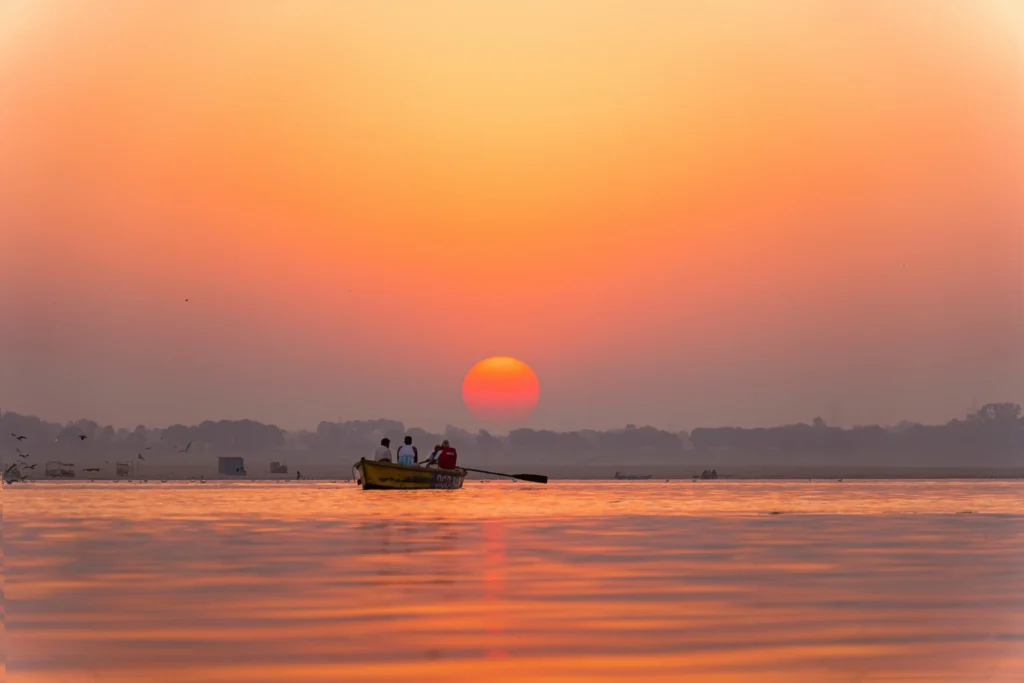
We all want that perfect shot, the golden light, the river, and the silhouette of the ghats. I wanted it too. And yes, I got it. But here’s what I learnt along the way:
Take a few, then stop.
The first few minutes are stunning; take your photos then. Frame the sunrise, the boat, the rituals… and then put the camera down. The more you chase the perfect picture, the more the real magic slips away.
Capture moments, not just scenes.
A priest offering prayers. A boatman focused on his rhythm. A diya floating away. These are the shots that tell a story, not just show a view.
Use silence as a setting.
Avoid flash. Avoid filters. Let the natural light and sound do their work. This is one of the few places where reality needs no editing.
Be in the photo — but be in the moment too.
Ask someone to take a candid of you just being there. You’ll want to remember how it felt, not just how it looked.
Respect the River: Cultural Sensitivity & Etiquette
She may be a river, but Ma Ganga is far from ordinary. For centuries, the river has been worshipped as both a goddess and a divine witness of all kinds of life experiences – from birth to death and beyond. Just a mere touch of its water is considered sacred by locals. Thus, visitors should be extra respectful when walking through this holy site.
First, remember that speaking loudly may disturb people who believe in God. Moreover, tourists should not litter in any way, including leaving flowers and other biodegradable waste as offerings to the deities. Do not photograph cremations in places such as the Manikarnika and Harishchandra cremation ghats. This may seem like an unusual request at first glance, but cremations should be treated with respect.
Wear proper clothing while walking around the ghats and temples to respect this holy place – this is why covered shoulders and knees work perfectly well. Finally, listen carefully to what your guide tells you as a gift – do not treat boat riding around the city as a tourist attraction, because every boatman may know something unique about it.
The more reverence that you can offer to the Ganges, the more she will give you in return. But not through words, pictures, or any other form of expression — but through silence, through experience.
After the Ride: What to Do Next
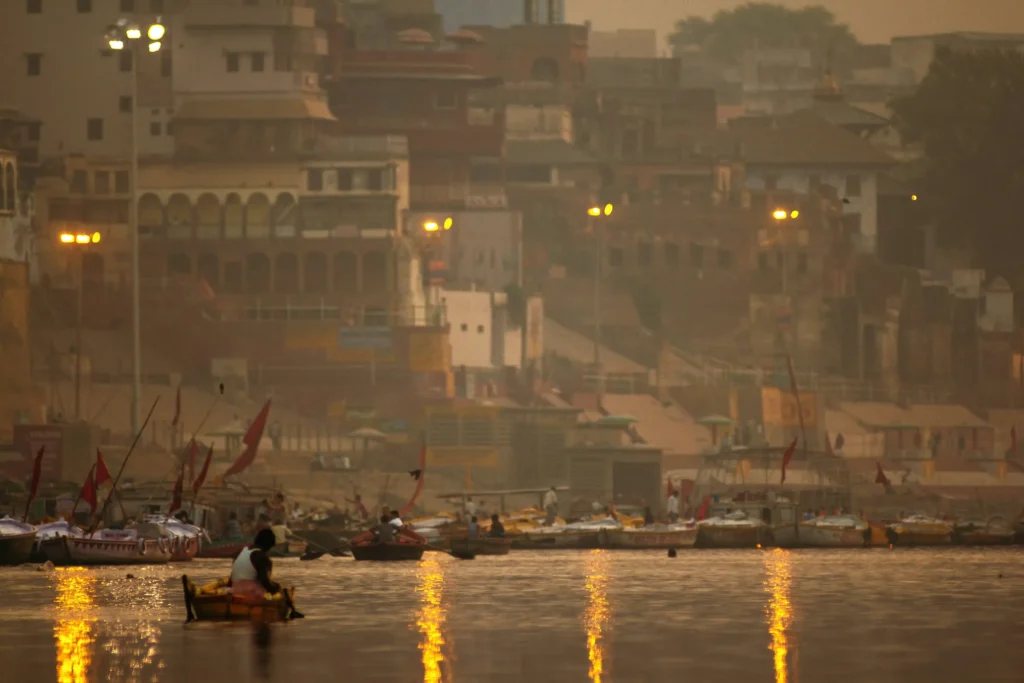
When the boat reaches back at the ghat, and your feet are placed on those stone stairs once again, there will be one thing you will realize. Everything is louder, faster, and more vibrant than before. Yet, amidst all this vibrancy, there remains some quietness within you. Do not hurry to lose it.
Go find a calm corner in the ghat. Spend some time there. See how the rising sun casts light into the river. Drink some chai, hot and aromatic, straight out of the earthen mugs sold by local vendors.
If you’re near Assi Ghat, take a slow walk along the river, or visit one of the nearby cafés for breakfast. If you started at Dashashwamedh Ghat, consider making your way toward the Kashi Vishwanath Temple, one of the most sacred places in Varanasi. Go slowly. The morning has already given you something special — there’s no need to chase more.
But later you might take your time exploring the back alleys, going to smaller shrines hidden among the buildings, visiting some local stores – but don’t rush this wonderful ride away from you.
Because sometimes the most intense part of this event takes place not during it, but after, when you are wandering around the city with slightly more peace in your heart.
This isn’t merely one of the best spots for a holiday in Varanasi. This is Varanasi – wild, holy, gorgeous, eternal.
And if you decide to see the sunrise boat ride in Varanasi, you will get a spiritual postcard for your life.
There’s a saying you’ll hear often in this city:
“Kashi ke kankar Shiv Shankar.”
(Every pebble in Kashi is Lord Shiva.)
And it’s no poetry. It’s faith. And it implies that the spirituality of the place does not lie in temples or in rituals but in the earth, the sky, the river, and the life cycle.
If you are a devotee or simply need some time for reflection, hop on the Ganges River and let the city teach you about its essence.