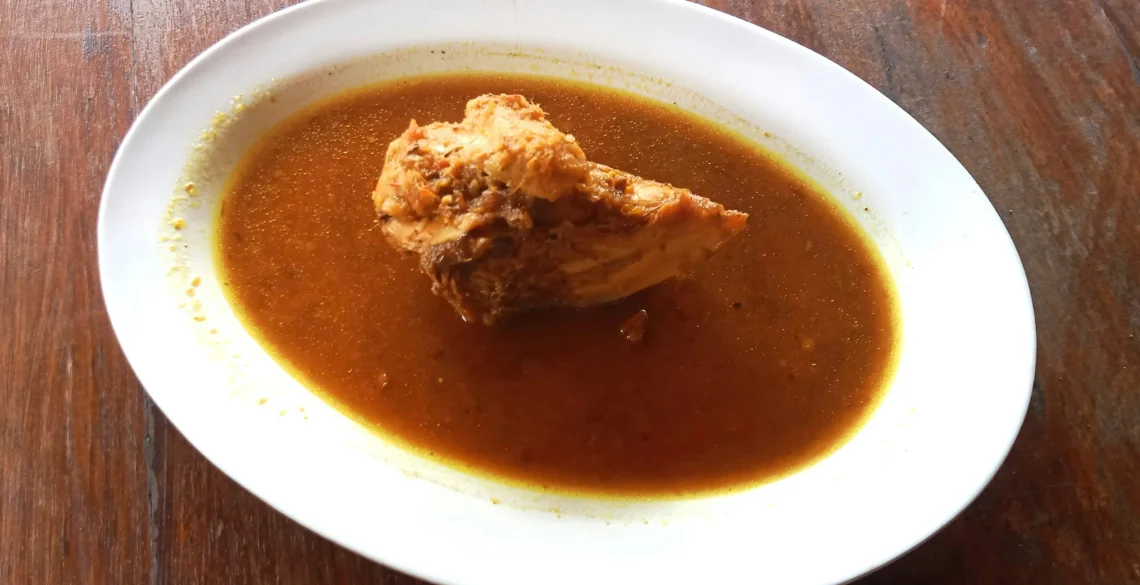
Paya Soup (also known as Mutton Trotters Soup) is a traditional South Asian bone broth made by slow-cooking goat or sheep feet with aromatic spices. Highly regarded for its rich, gelatinous texture, this nourishing broth has been used for centuries in traditional medicine to support joint recovery, boost immunity, and improve gut health; thus, it is said that there are various health benefits of paya soup.
What Are the Key Health Benefits of Paya Soup?
Paya soup is a nutrient-dense powerhouse packed with essential proteins, minerals, and amino acids.
- Rich Source of Collagen and Gelatin: Slow-cooking the connective tissue of trotters releases massive amounts of collagen. This breaks down into gelatin, which supports skin elasticity, reduces wrinkles, and strengthens hair and nails.
- Improves Joint Health and Mobility: The broth contains high levels of glucosamine and chondroitin, two compounds clinically proven to reduce joint pain, repair cartilage, and alleviate symptoms of osteoarthritis.
- Enhances Gut Health and Digestion: The gelatin in Paya soup binds to water in the digestive tract, helping to repair the mucosal lining of the stomach and supporting a healthy gut microbiome.
- Boosts Immunity and Cellular Repair: Packed with essential minerals like calcium, magnesium, and phosphorus, along with the amino acids glycine and proline, it reduces systemic inflammation and helps the body fight off respiratory infections.
Paya soup functions as a natural bioavailable collagen supplement. Drinking 1 cup of Paya soup provides a concentrated dose of amino acids that actively repair joints, soothe the gut lining, and boost bone density.
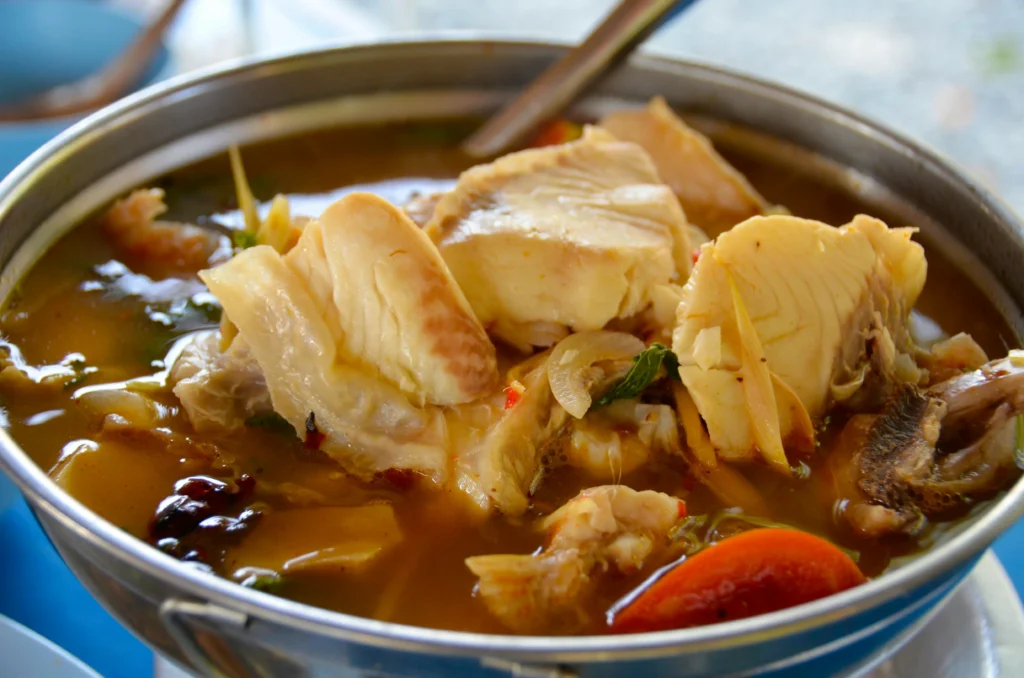
Traditional vs. Modern Cooking Methods: Which is Better?
While the core nutritional ingredients remain the same, the cooking technique dramatically changes the preparation time and texture.
| Attribute | Traditional Cooking Method | Modern Cooking Method |
| Equipment Used | Clay pot (Handi) or heavy-bottomed brass vessel | Electric Pressure Cooker / Instant Pot |
| Cooking Time | Slow-simmered for 6 to 12 hours over low flame | Pressure-cooked for 45 to 60 minutes |
| Heat Source | Charcoal, wood fire, or very low gas flame | High-pressure steam induction |
| Flavor Profile | Deeply smoky, complex, and highly emulsified | Clean, bright, and intensely concentrated spices |
| Nutrient Extraction | Maximum breakdown of deep marrow bones | Excellent collagen extraction in a fraction of the time |
How to Make Paya Soup: Step-by-Step Cooking Guide
Whether you prefer the slow, authentic depth of the traditional method or the rapid convenience of modern pressure cooking, use this definitive recipe.
1. Thorough Cleaning and Prep: 15 mins.
Clean 4 goat trotters (paya) meticulously. Rub them with wheat flour (atta) and a pinch of salt to remove residual hair and odour, rinse thoroughly under running water, and pat dry.
2. The Aromatic Sauté (Bhuna): 10 mins.
Heat 2 tbsp of ghee in your vessel. Add whole spices (1 bay leaf, 1 cinnamon stick, 4 green cardamoms, 1 black cardamom, and 4 cloves). Add 1 finely sliced onion and sauté until golden brown. Stir in 1.5 tbsp ginger-garlic paste.
3. Sear the trotters: 5 mins.
Add the cleaned trotters to the pot. Sauté on high heat for 5 minutes until the meat turns opaque. Stir in 1/2 tsp turmeric, 1 tsp coriander powder, and salt to taste.
4. The Simmer (Choose Your Path): 45 mins to 8 hours.
Traditional Path: Add 6 cups of water, cover tightly with a lid (seal with dough if desired), and simmer on the lowest heat setting for 6 to 8 hours.
Modern Path: Add 4.5 cups of water, seal the pressure cooker lid, and cook on high pressure for 45 to 50 minutes (allow natural pressure release).
5. The Finishing Temper (Tarka): 5 mins.
Strain the soup if you prefer a clear broth, or leave it rustic. Garnish with a pinch of fresh garam masala, finely chopped coriander, julienned ginger, and a squeeze of fresh lime juice. Serve hot.
Also Read: 7 Incredible benefits of paya soup for your health and vitality
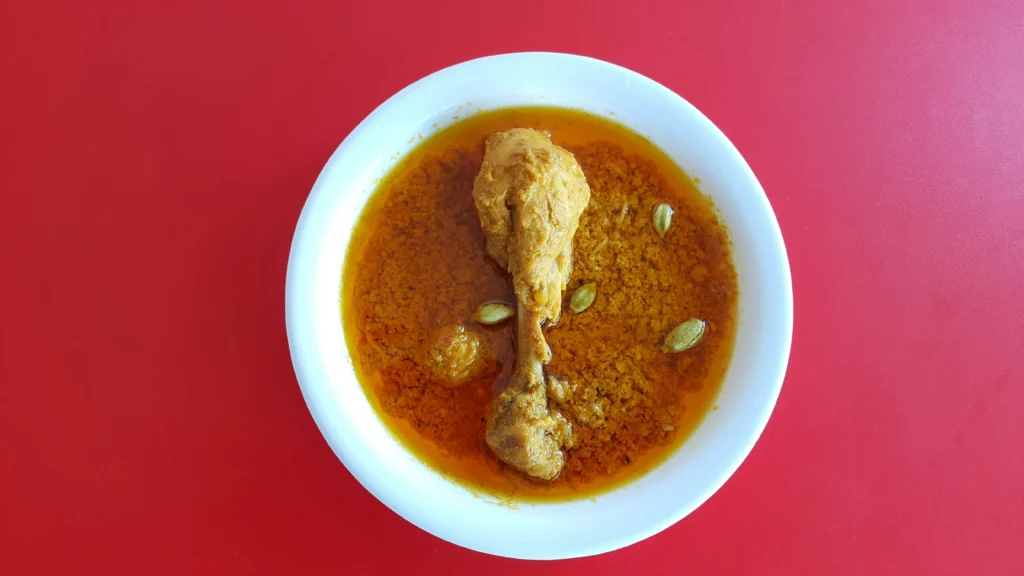
Frequently Asked Questions (FAQ)
Is paya soup good for bone fracture recovery?
Yes. There are health benefits of paya soup, especially for bone healing, because it contains bioavailable calcium, phosphorus, and magnesium, alongside collagen, which forms the structural framework for new bone mineralisation.
Can I drink Paya soup every day?
Yes, you can consume a small cup (150-200 ml) of Paya soup daily. It is low in carbohydrates and rich in protein. However, if you have high cholesterol or cardiovascular concerns, monitor the amount of fat or ghee used in preparation.
Does pressure cooking destroy the health benefits of Paya soup?
No. Studies show that pressure cooking preserves water-soluble vitamins and minerals exceptionally well because the sealed environment prevents nutrient loss through evaporation, while the intense heat breaks down tough collagen efficiently.