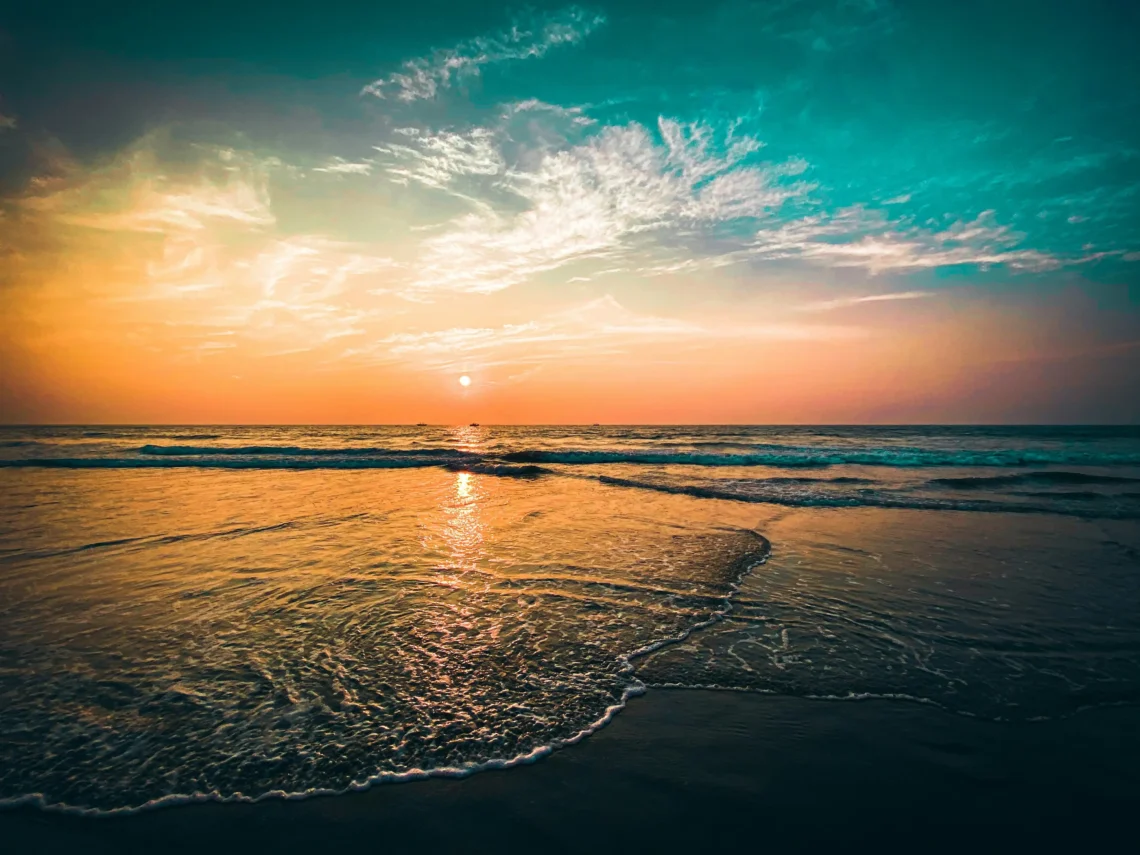
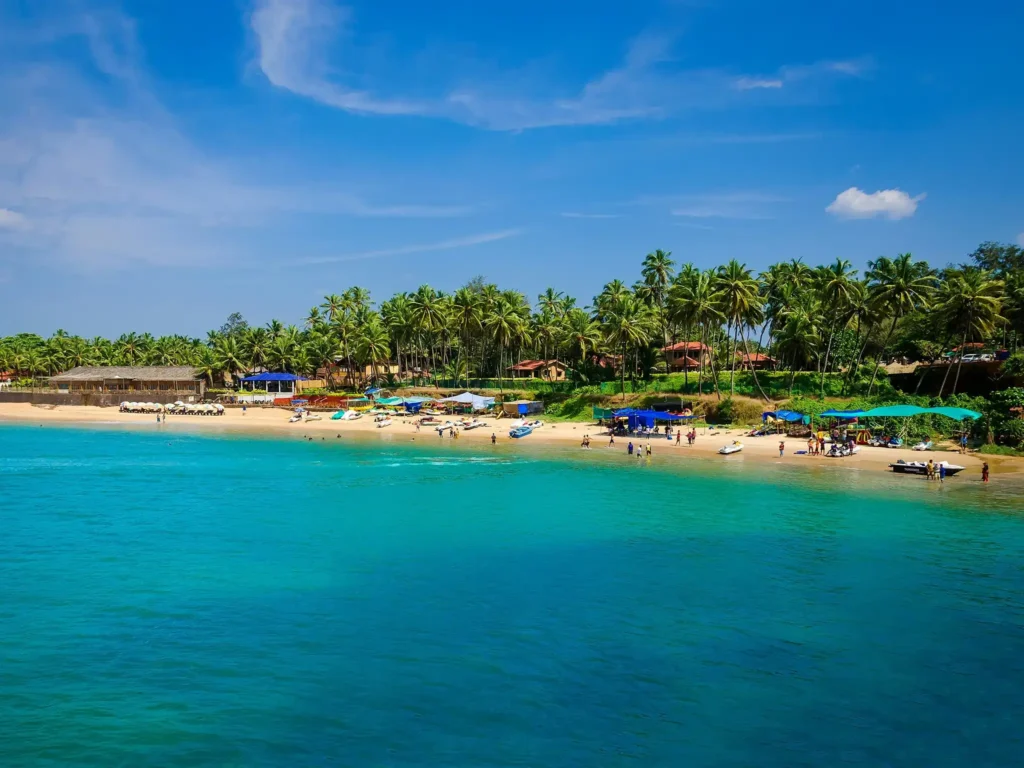
On telling my friends that I was heading to Goa, it was only natural that they would assume that I will come back with sunburns, sand in my shoes, and tales of shack beaches. However, this time, I had other plans. I wanted to experience the Goa that locals speak about when tourists are running towards the shores, and not the Goa that tourism in Goa has become famous for. The Goa that talks of narrow lanes, old houses, spicy atmosphere, temple bells, and islands in the river.
So, I didn’t go to the beaches and decided to plan an itinerary for 3 days that would include some culture-related things. This time, I got to experience a totally new Goa. One that’s softer, gentler, and even more memorable than those wild beach nights.
Here’s my itinerary. If you’re looking for something other than beaches in Goa, then you’ll love this one.
How I Reached and Where I Stayed
I arrived at Manohar International Airport and immediately got a scooter to ride around. This is what you want for this type of cultural tour. You have the liberty to take all the shortcuts through villages that catch your eye.
I had booked myself into a heritage hotel in the Latin Quarter of Panjim. Best choice ever! You can wake up to the sight of pastel-colored houses, birds flying about, and cats strutting down a balcony with authority.
Day 1 of Goa tourism: Old Goa, Panjim & A Slow Stroll Through Fontainhas
Old Goa: My First Surprise
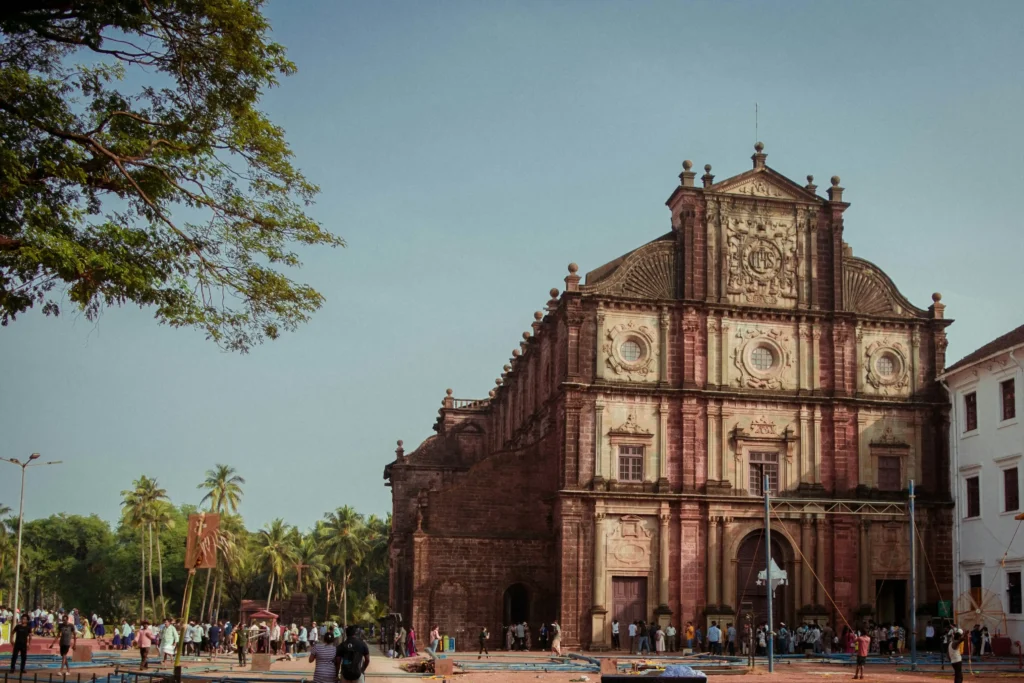
Unlike tourists who came after seeing photographs of Goa Tourism, my visit began at the Basilica of Bom Jesus and the Se Cathedral. I had already seen the photographs, but experiencing it on my own was quite a different experience.
The whitewashed walls, the serene courtyards, and the overall ambience seemed to transport me into another era.
I spent close to two hours wandering around aimlessly, and I must say it is the perfect way to explore Old Goa.
Lunch Break in Panjim
I was starving by the time lunch rolled around, but then again, Panjim is known for its ability to spoil its guests. My meal consisted of a typical Goan thali: steamed rice, spicy curry, fish, and sol kadhi, which will shock your taste buds with the first drink.
Fontainhas: The Pastel Paradise
In the afternoon, I wandered into Fontainhas, Goa’s Latin Quarter. This place steals your heart instantly.
Bright yellow walls. Red-tiled roofs. Narrow streets.
Every corner feels like a postcard moment.
I hopped into galleries, tried local cookies, and took photos that still live in my phone gallery favourites.
Mandovi River Sunset
The day ended with a leisurely boat ride down the Mandovi River with an evening sunset. No music blaring nor craziness. Only the river, the wind, and Panjim glowing under its gentle glow.
It was then that I knew this part of Goa was what I needed.
Day 2: Temples, Spice Farms & My Favourite Local Market
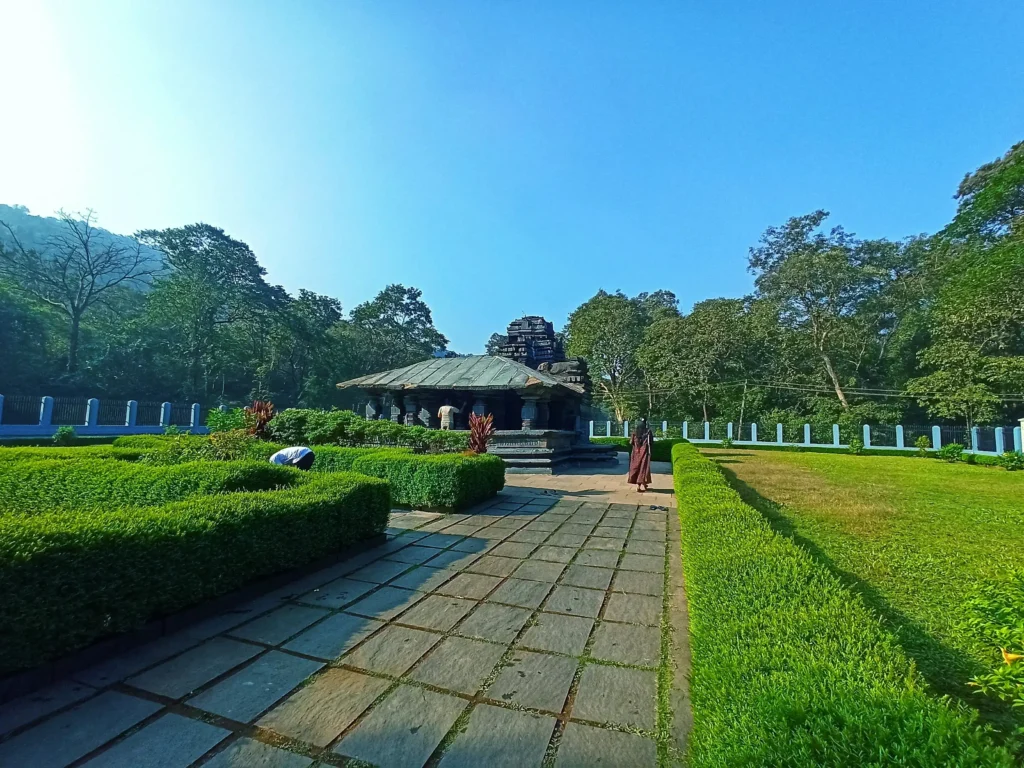
Morning at Mangueshi Temple
The second day started with a visit to Mangueshi Temple, where as soon as I entered, time seemed to slow down. The ringing bells, the scent of burning incense, and the devout atmosphere made me feel calm.
Village Roads That Feel Like Time Travel
I left the temple and travelled through the village roads rather than the main road. The fields reflect in the sunlight. The old houses with sloping rooftops. The pond was so quiet that it appeared like an oil painting.
To experience the true flavour of Goa, follow the village roads.
Spice Plantation Tour
I stopped at a spice plantation at midday. Pepper, nutmeg, cinnamon, betel nut… the aroma was rich and earthy. Everything was explained by my guide with genuine passion, and we had lunch served on a banana leaf. Pure, natural, and simply heavenly!
Mapusa Market: The Local Buzz
In the afternoon, I went to the Mapusa market. This is considered one of the best local markets in Goa. Friday is the best day to go there.
Here, I came across baskets full of bright red chillies, masalas, dried fish, pastries, and nice people who would tempt you to have “just one more”!
I brought back Goan masalas from here.
Feni Tasting in the Evening
The second day ended on a high note with the tasting of some feni. Cashew feni is rather strong, whereas coconut feni is somewhat smooth. However, both fenis come packed with some Goan tourism.
Day 3: Heritage Mansions, Museums & A Sunset to Remember
Goa Chitra Museum
My final visit for the day was to the Goa Chitra, a privately owned museum which seems like a love letter to the heritage of Goa. Agricultural implements, household tools, and history in every nook and cranny. Truly made me appreciate Goan culture more.
Chandor’s Ancestral Homes
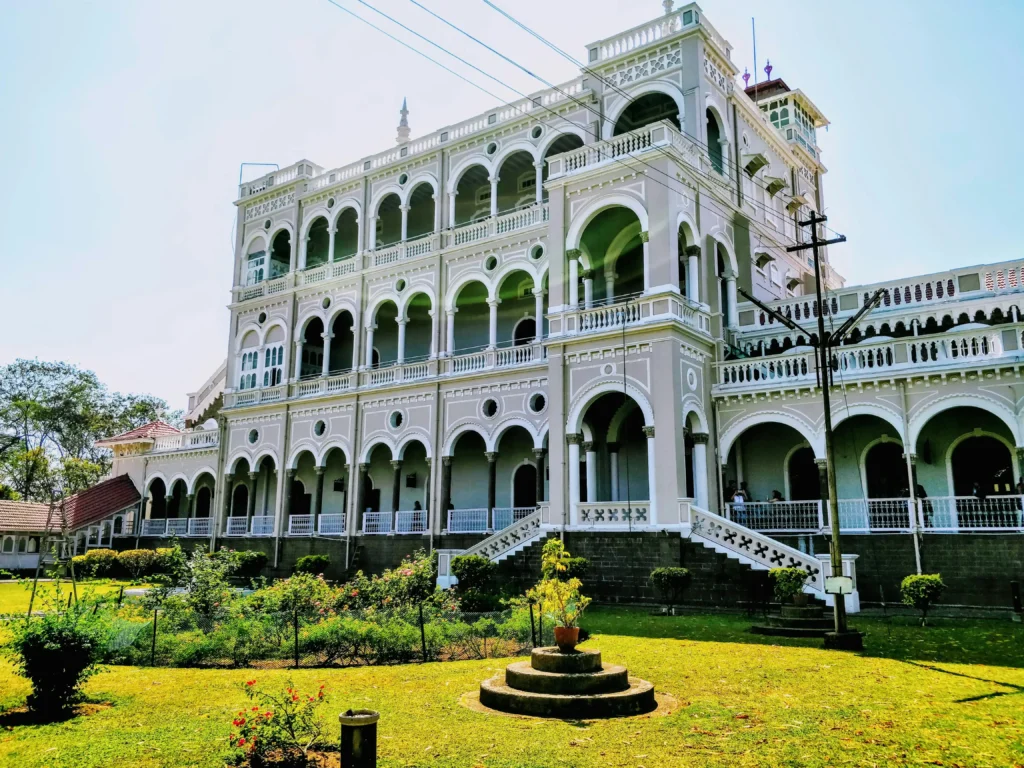
Subsequently, I headed to the Menezes Braganza Mansion. Being inside such a building gave me a feeling of travelling into the past.
Big windows, ornate woodwork, large mirrors, old paintings.
The custodian explained things which made everything more real.
A Slow Village Lunch
I ate lunch in a small village restaurant nearby. Goa’s inland food tastes different. Rich, comforting, and full of coconut and spice. I took my time here.
Divar Island: The Perfect Goodbye
I took a boat to Divar Island for an evening ride, and I mean no hyperbole when I say this—the sunsets are incredible here.
Endless fields of grass, total silence, and colours that slowly change in the skies above.
It seemed like the ideal way to end my cultural tour of Goa.
Best Time to Visit Goa Tourism for a Cultural Trip
- October to March: Ideal weather
- Monsoon (June to September): Lush and beautiful, but rainy for sightseeing
Travel Tips
- Dress comfortably and modestly for temples
- Carry sunscreen and water
- Respect heritage properties
- Take village routes whenever possible
- Try at least one authentic Goan meal a day
This was my second time visiting Goa, but this trip had a unique appeal for me. I experienced the Goa that’s not known for its tourists and noise; rather, the Goa brimming with tales, history, villages, and friendly locals.
For travellers looking for something other than Goa’s beaches, this 3-day cultural itinerary is the perfect place to begin your journey.